Your dog’s first hotel stay can go beautifully—or it can end with barking complaints, a bathroom accident on the carpet, and a $300 damage charge you weren’t expecting.
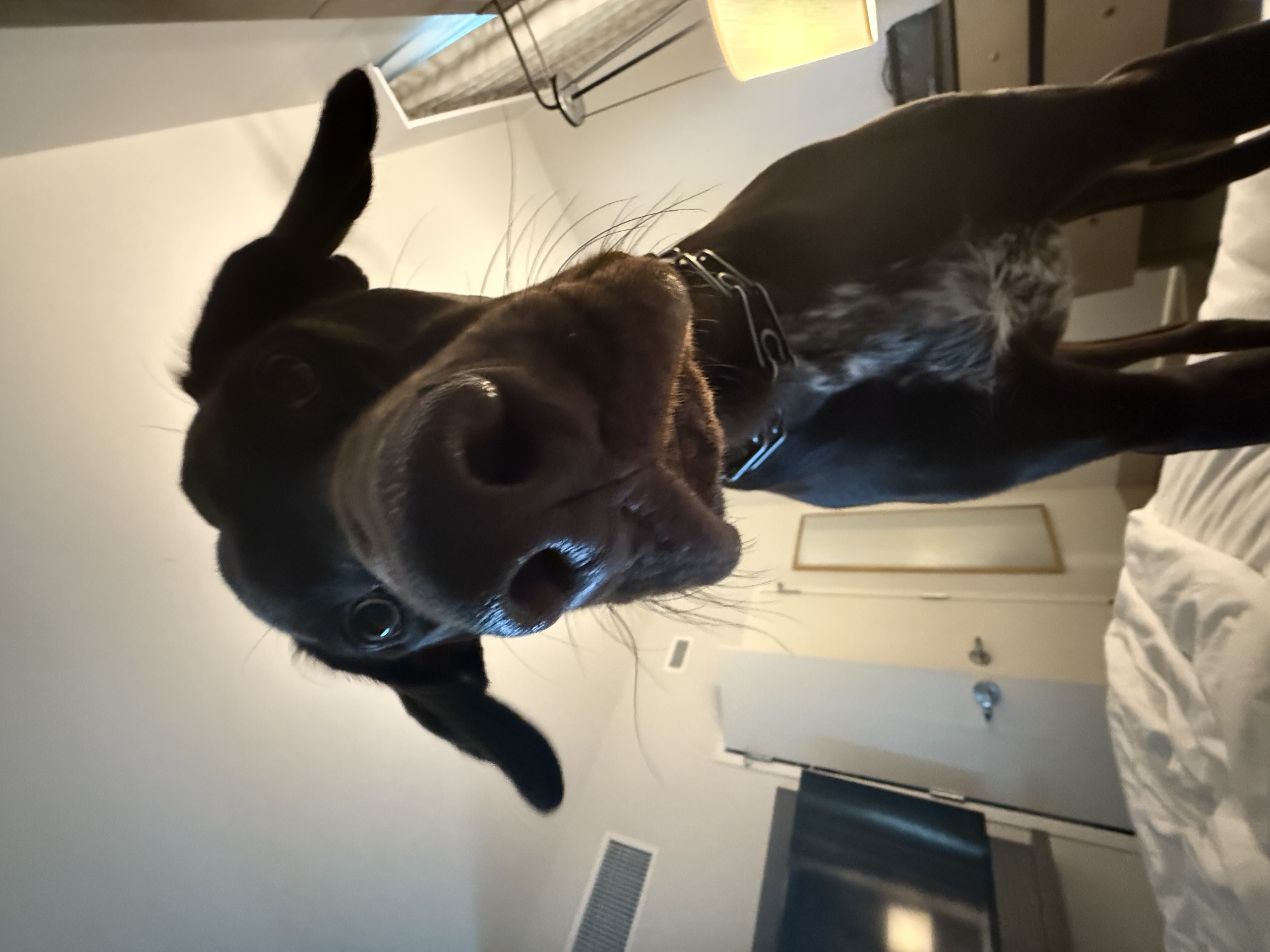
I’ve stayed in dozens of hotels with my 70-pound GSP/Lab mix, and the difference between a smooth trip and a stressful one usually comes down to preparation. Here’s everything I wish I’d known before that first hotel night.
Before You Book: Questions That Save Headaches
Not all “pet-friendly” hotels are created equal. Some genuinely welcome dogs. Others tolerate them with a lengthy list of restrictions and fees that make you feel like you’re sneaking in contraband.
Ask these questions before you book:
- What’s the pet fee? (Ranges from $0 to $150+ per night)
- Is it per night or per stay?
- Any weight limits? (Some cap at 25-50 lbs)
- Breed restrictions? (Pit bulls, Rottweilers, and “bully breeds” are often banned)
- How many pets per room?
- Can dogs be left unattended in the room?
- Do they need to be crated when you’re out?
- Which floor will you be on?
- Is there a pet relief area on the property?
Don’t trust third-party booking sites. Policies change, and sites like Expedia or Hotels.com often have outdated information. Call the hotel directly or check their official website.
Pro tip: Ask for a ground-floor room near an exit. You’ll thank yourself at 6 AM when your dog needs to go out immediately.
Hotels That Make Life Easier
Some chains are genuinely dog-friendly with reasonable (or no) fees:
- Kimpton – No pet fees, no weight limits, no breed restrictions. Dogs welcome at the wine hour.
- La Quinta – No pet fees at most locations. Popular with travelers who have large dogs.
- Red Roof Inn – One pet under 80 lbs stays free.
- Motel 6 – Pets stay free at most locations.
If you want upscale, look at Kimpton, Aloft, or Hotel Indigo—all IHG brands with genuinely welcoming pet policies.
Avoid booking somewhere that charges $100/night in pet fees and requires your dog to be crated whenever you leave. That’s a hotel that doesn’t really want pets—they just want your money.
What to Pack: The First-Timer’s Checklist
You’ll overpack the first time. That’s fine. But these are the essentials:
Must-Have Items
- Their regular food (enough for the trip plus one extra day)
- Collapsible water bowl (or their bowl from home)
- Leash and collar with ID tags (make sure your phone number is current)
- Poop bags (more than you think you need)
- Their bed or a blanket from home (familiar smells help them settle)
- A favorite toy or chew
- Any medications they take
Smart Additions
- Enzyme cleaner spray (Nature’s Miracle or similar—for accidents)
- Old towel or sheet (to cover hotel bedding if your dog sleeps with you)
- Portable crate or exercise pen (if your dog is crate-trained)
- Treats (for rewarding calm behavior)
- Copy of vaccination records (some hotels ask for proof)
- Photo of your dog (in case they get separated from you)
For Anxious Dogs
- White noise machine or app (to mask hallway sounds)
- Adaptil spray or collar (calming pheromones—start using at home before the trip)
- A worn t-shirt of yours (your scent is comforting)
- Kong or puzzle toy (mental stimulation reduces anxiety)
When You Arrive: The First 30 Minutes Matter
How you handle arrival sets the tone for the whole stay. Don’t rush this.
Step 1: Check in, then do a potty walk
Before you even bring your bags up, take your dog to the designated pet relief area (ask at the front desk where it is). A dog with an empty bladder is less likely to have an accident in an exciting new place.
Step 2: Let them sniff the room
Dogs process new environments through their nose. Give them a few minutes to sniff around before you start unpacking. This helps them understand this is a safe space.
Step 3: Do a quick room sweep
Before your dog has free rein, check for:
- Trash cans (move them to the bathroom or closet)
- Minibars or snacks at dog level (chocolate is toxic)
- Plug-in air fresheners (some dogs chew these)
- Loose items on low tables (remotes, notepads, pens)
- Gaps under furniture (small dogs can get stuck)
Step 4: Photo the room
This protects you from being charged for damage you didn’t cause. Take quick photos of:
- The carpet (any existing stains)
- The bed and furniture
- The door and door frame
- Any visible marks or wear
If there’s existing damage, mention it to the front desk before you settle in.
Step 5: Set up their space
Put their bed in a corner or against a wall—dogs feel more secure when they’re not in the middle of a room. Set out their water bowl. Give them a treat. Help them understand this is their spot.
The First Night: Why You Shouldn’t Leave Immediately
The biggest first-timer mistake is checking in and immediately leaving for dinner.
Your dog just experienced a car ride (possibly hours long), walked into a completely unfamiliar environment with strange smells and sounds, and now you’re gone. Recipe for disaster.
Spend at least the first evening with them. Go through your normal routine—walk, dinner, some quiet time. Let them see that you’re relaxed, and they’ll start to relax too.
If you absolutely must go out that first night, make it short. Thirty minutes for a quick bite, not three hours at a restaurant.
The Sounds That Trigger Barking
Hotels are loud in ways your dog isn’t used to:
- Hallway footsteps (constant traffic past your door)
- Elevator dings (if you’re near the elevator)
- Housekeeping carts (wheels on carpet sound alarming)
- Doors closing (every room on your floor)
- Ice machines (mechanical sounds at odd hours)
- Other dogs (you’re not the only pet guest)
How to minimize reactions:
- Request a room away from the elevator and ice machine
- Ask for an end-of-hallway room if possible (less foot traffic)
- Leave the TV or a white noise app on when you’re in the room
- Use the Do Not Disturb sign religiously
- Close curtains (visual triggers from outside)
If your dog is reactive to sounds, consider ground floor rooms with exterior entrances (common at motels) rather than interior hallway hotels.
Common Disasters and How to Prevent Them
Disaster #1: The Bathroom Accident
Even housetrained dogs can have accidents in new environments. The stress, the excitement, the unfamiliar smells—it all adds up.
Prevention:
- Take them out more frequently than usual (every 3-4 hours)
- Go out right before bed and first thing in the morning
- Don’t give them water right before a long sleep
- Watch for sniffing or circling—signs they need to go
If it happens:
- Clean it immediately with enzyme cleaner (not just paper towels)
- Blot, don’t rub
- If it’s on carpet, soak it thoroughly and blot dry
- Inform housekeeping—they’d rather know than discover it later
Disaster #2: Non-Stop Barking
Nothing gets you kicked out faster than a dog that barks for hours while you’re gone.
Prevention:
- Don’t leave an anxious dog alone in a hotel room—period
- If you must leave, keep it short (under 2 hours for first-timers)
- Leave the TV on for background noise
- Tire them out with a long walk before you leave
- Give them a Kong stuffed with peanut butter to keep them busy
If you get a call from the front desk:
- Return immediately. No excuses.
- Apologize and don’t leave them alone again
- If you need to be out, look into local dog daycare or a Rover sitter
Disaster #3: The Great Escape
Dogs can slip out when housekeeping opens the door, when you’re coming in with bags, or when room service arrives.
Prevention:
- Keep the Do Not Disturb sign up
- Use a leash attached to furniture if you’re in and out
- Inform the front desk that there’s a dog in the room
- Make sure their collar has your current cell phone number
- Consider putting your room number on a temporary tag
Disaster #4: Damage and Destruction
Anxious dogs chew. Bored dogs destroy. And hotels charge for both.
Prevention:
- Crate if your dog is crate-trained and comfortable
- Don’t leave them alone for long periods
- Remove temptations (leather chair? Move it against the wall)
- Provide appropriate chew toys
What hotels typically charge for:
- Carpet stains: $50-$200
- Furniture damage: $100-$500+
- Deep cleaning for odor: $100-$300
- Torn bedding: Cost of replacement
If damage happens, be honest. You’ll likely be charged anyway, and hotels remember guests who try to hide problems.
If Something Goes Wrong
Your dog barked and you got a complaint
- Apologize to the front desk (and affected guests if you see them)
- Don’t leave your dog alone again during this stay
- Consider cutting your stay short if your dog truly can’t handle it
- Tip housekeeping generously—they deal with the aftermath
Your dog had an accident
- Clean what you can with enzyme cleaner
- Tell housekeeping—seriously, just tell them
- Tip extra for the inconvenience
- Expect a cleaning charge, but honesty often reduces it
You’re being charged for damage
- Refer to your check-in photos if you didn’t cause it
- Ask for itemized documentation of charges
- Be reasonable—if your dog did it, you’re responsible
- Your credit card may offer purchase protection (check before disputing)
Your dog is genuinely too stressed
Some dogs just aren’t ready for hotel stays. Signs it’s not working:
- Won’t eat or drink
- Pacing constantly
- Panting when it’s not hot
- Can’t settle even after hours
- Diarrhea or vomiting from stress
If this is your dog, it’s okay to call it. Find a local dog daycare for daytime activities, or consider cutting the trip short. Forcing a miserable dog through a vacation isn’t fun for anyone.
Building Up to Success
If you’re planning a big trip, do some practice runs first:
- Start with a staycation – Book a local hotel for one night just to practice
- Choose low-key destinations – A quiet motel is easier than a busy downtown hotel
- Pick shoulder seasons – Fewer guests means fewer hallway sounds
- Go with friends who have dogs – Your dog may settle better with a familiar pack
Every successful hotel stay builds confidence—for you and your dog.
The Quick Reference Checklist
Before the Trip
- Confirmed pet policy directly with hotel
- Requested ground floor room near exit
- Packed all supplies from the checklist above
- Updated ID tags with your cell phone number
At Check-In
- Potty walk before entering room
- Room sweep for hazards
- Photos of existing room condition
- Set up dog’s space with bed and water
During Your Stay
- Extra potty breaks (every 3-4 hours minimum)
- Don’t leave them alone until they’ve settled
- Keep TV/white noise on
- Do Not Disturb sign always up
At Checkout
- Final room check for any issues
- Tip housekeeping ($5-10 extra for pet rooms)
- Honest disclosure of any problems
Your first hotel stay with your dog might not be perfect—mine definitely wasn’t. But with preparation, patience, and realistic expectations, you’ll figure out what works for your dog. And every trip after that gets easier.
More hotel tips:
- Can You Leave Your Dog Alone in a Hotel Room? – Policies by chain and how to make it work
- Kimpton Hotels for Large Dogs – The best chain for dogs over 50 lbs
- Hotel Pet Policies Compared – Side-by-side breakdown of major chains